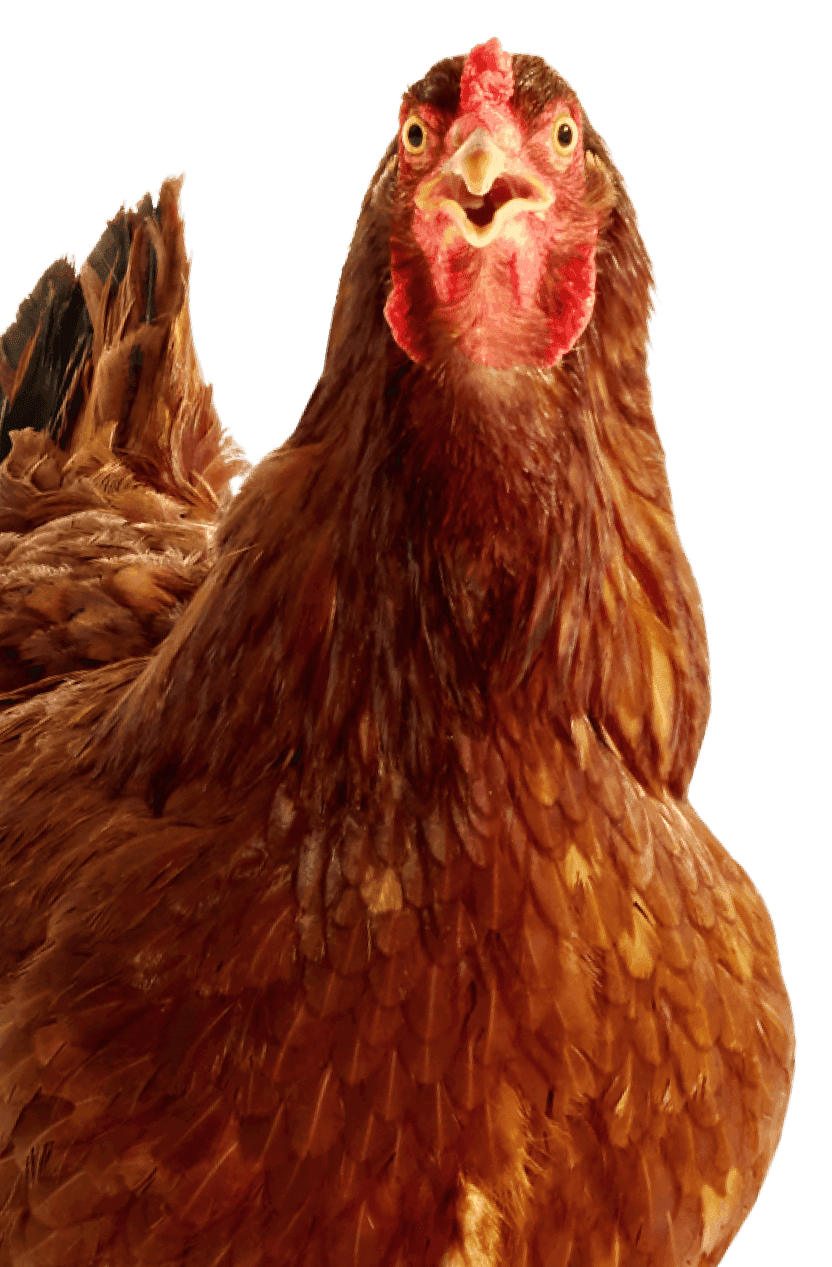



Finding feathers all over the run? Noticing a bare neck, a missing tail feather or a suspiciously quiet nest box? Before you sound the flock alarm, take a breath. Your hens may simply be molting: the yearly process of shedding old, worn feathers and growing a fresh set. It can look a little dramatic, but it’s usually a normal, healthy part of chicken life.
Here’s what’s happening, what to expect and how to help your girls get through their seasonal feather refresh.
Why chickens molt (and why fall is prime time)
A year of dust baths, sunshine, rain and squeezing through the coop door can leave feathers looking pretty rough. Molting gives hens a fresh coat that helps keep them warm and dry.
The biggest trigger is shorter daylight, not colder temperatures. Hens respond to the changing length of the day, according to Texas A&M's College of Veterinary Medicine, which is why molting usually gets underway in fall and can continue into winter. Most hens have their first full molt at around 18 months old, then molt about once a year.
If a hen starts molting at an unusual time of year, or seems to molt more than once a year, take a closer look at possible stressors or other health concerns.

What molting looks like?
Molting often follows a head-to-tail pattern: feathers go first around the head, then the neck, breast, body, wings and finally the tail, according to Mississippi State University Extension. So, if your hen is rocking a scruffy head and neck, she may just be getting started.
As old feathers drop, new ones begin to grow in as pin feathers. They look like short, spiky quills wrapped in a waxy sheath. These new feathers are tender and easy to damage, so your usually social hen may not be in the mood for cuddles or being picked up.
Not every hen molts at the same speed. There are two common patterns:
- Fast molters: They drop feathers in clumps, can look especially ragged for a while and usually finish in 2 to 3 months. These hens tend to be your best layers.
- Slow molters: They lose a few feathers at a time and may keep a tidier appearance, but the process can take 4 to 6 months.
Here’s a little perspective: the hen looking the most disheveled may be the same one who kept your egg basket full all year.

How long does molting last?
Most molts take about eight weeks from the first dropped feathers to a full new coat, though anywhere from one to three months is normal, depending on the bird and her surroundings. Slow molters can stretch it to four to six months. Younger hens and strong layers often get through it faster than older hens.
There isn't much you can do to rush it (sorry, no magic tricks speed it up). Good nutrition and a calm coop won't make the feathers fall out faster, but they help your hens finish in good shape.

Why did the eggs stop coming?
Feathers are mostly protein, roughly 80 to 85 percent. Growing a whole new set takes a lot of it, so during a molt, a hen's body puts that protein toward feathers instead of eggs. Most hens stop laying until the molt is complete.
So, an empty nest box in fall usually isn't a sign that something's wrong. If you want to rule out other causes, our blog Why Isn't My Chicken Laying? walks through the usual suspects, from shorter days and stress to a hen with a secret laying spot.
What should you feed chickens during a molt?
Start with the feed, since that's where most of your flock's nutrition comes from. Then use treats to add a little extra protein, and a little fun.
Step up the protein in their feed. Many layer feeds sit around 16% protein, which works for laying but is on the lean side for regrowing a full set of feathers. Texas A&M's vet school says a diet of about 20% protein is usually adequate for molting hens, and recommends asking your veterinarian what your flock needs.
If you switch to a higher-protein feed for the molt, keep Oyster Shell available in its own feeder. Offering it free choice lets each hen take the calcium she needs as she gets back to laying.
Add protein-rich treats, in moderation. Mealworms, black soldier fly larvae, and sunflower seeds are flock favorites during molting season, and your flock will come running for them. These Pecking Order treats are made with molting in mind:

Protein figures are each product's guaranteed analysis.

Keep treats to no more than 10% of your flock's diet, as our FAQ recommends. A small handful for the whole flock is usually plenty. Any more and your hens fill up on snacks instead of the feed doing the real work. Always keep grit and fresh water available when you feed treats.
Scattering treats on the ground gets everyone scratching and foraging, which helps on days when a half-bald flock would rather stand around looking sorry for itself. It's also a good excuse to look each hen over while they eat. Check out our blog post, Why Does Treat Time Matter?, to learn more.
How to make molting easier on your flock
- Handle them less. New pin feathers are easily damaged, so pick up molting hens only when you need to, and gently.
- Keep things calm. Molting is hard work. If you can, hold off on adding new birds, moving the coop, or other big changes until the feathers are back in.
- Watch for pecking. Chickens are prone to pecking each other, and fresh pin feathers can draw attention. Keep an eye out, and step in if one hen is being singled out.
- Keep the coop dry and draft-free. A half-feathered hen has less insulation as the nights get colder. Good airflow without direct drafts, dry bedding, and water that doesn't freeze go a long way. Our guide on how to prepare your coop for winter covers the setup.
Is it molting or something else?
A normal molt usually shows up in fall or winter, moves from head to tail, has new pin feathers coming in where old ones fell out, and leaves the hen acting like herself: eating, drinking, and getting into her usual chicken business.
Call your vet if feather loss comes with changes in eating, drinking, or behavior. Texas A&M notes those changes can point to a bigger health problem.
The new coat is worth the wait!
Molting can make even the most glamorous hen look like she’s having a bad feather day. Give her time, keep her well fed, go easy on handling and make sure the coop stays comfortable. Before long, that scruffy look will give way to a fresh new coat—and egg production usually picks back up once the molt is complete.

Stocking up for molting season? Find Pecking Order treats at your favorite retailer by visiting us on our Where to Buy page.
Frequently Asked Questions (no such thing as a bad question)
How long do chickens molt?
Most molts last about eight weeks, but anywhere from one to three months is normal. Hens that drop their feathers slowly can take four to six months to finish.
Do chickens stop laying eggs when they molt?
Usually, yes. Growing new feathers takes a lot of protein, so most hens stop laying until the molt is complete. Laying picks back up once the new feathers are in.
At what age do chickens start molting?
Most hens have their first full molt at around 18 months old, then molt once a year, usually starting in fall.
What should I feed chickens during molt?
Start with a higher-protein feed. Texas A&M's vet school says about 20% protein is usually adequate, and your vet can confirm what's right for your flock. Then add protein-rich treats like mealworms or black soldier fly larvae.
Can I give molting chickens extra treats?
Yes, within reason. Keep all treats to 10% or less of the diet. A small handful for the whole flock is usually enough.
Is it okay to pick up a molting chicken?
Only when you need to, and gently. New pin feathers are fragile and easy to damage.
Why is my chicken molting in summer?
Shorter days drive most molts, so a summer molt is less common. If a hen molts outside fall and winter, or more than once a year, look at what might be stressing her, and check with a vet if she seems unwell.

The Pecking Order Takeaway
A little less fluff, a little more protein, and plenty of patience. Molting is your hen’s annual refresh, not a reason to panic. Keep her feed balanced, treats in check and coop comfortable, and let nature take its feathered course.
More fromthe coop

How To Prepare Your Coop for Winter
November 12, 2026
With a few simple adjustments, you can help your birds stay healthy, comfortable and safe.

Chicken Treats 101: A Simple Guide for Happy, Healthy Flocks
November 9, 2026
Learn how much, when, and what to feed your flock for healthier, happier, more fun treat time!

Protecting Backyard Chickens from Predators
October 26, 2026
From securing your coop to protection from day to night, here are some tips to keep their flock safe, happy, and thriving.