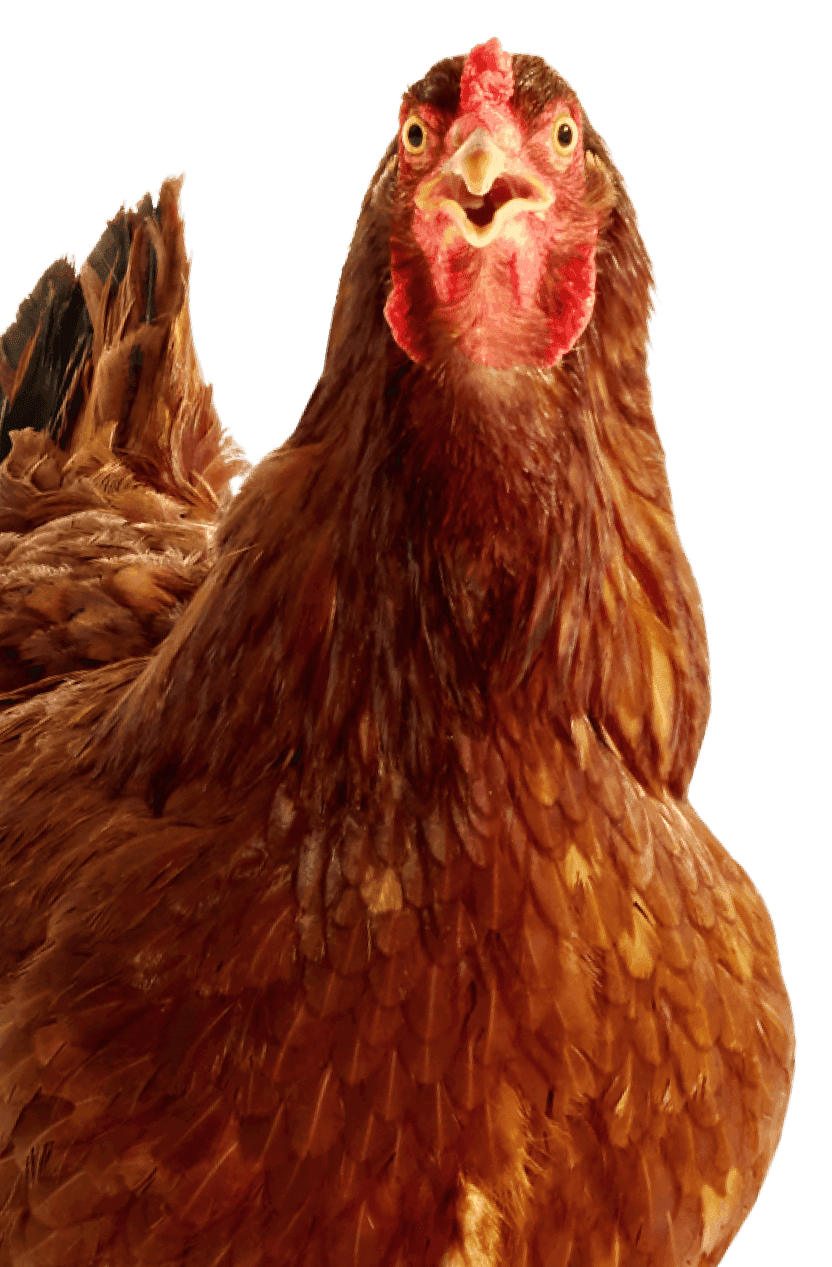



Keeping backyard chickens safe from predators is one of the most important responsibilities of chicken ownership. While chickens may seem well adapted animals, they are prey by nature and vulnerable to a wide range of predators, both during the day and at night. From raccoons and foxes to hawks, owls, and neighborhood dogs, threats can come from the ground, air, and even through small gaps in housing.

Predator protection isn’t about reacting after a loss; it’s about prevention and preparation.
Most predators are opportunistic, meaning they take advantage of easy access, unsecured structures, or predictable routines. A well protected flock discourages these opportunities and significantly reduces risk.

Why Backyard Chickens Are Especially Vulnerable
Unlike wild birds, backyard chickens are often confined to coops and runs, making their location predictable. Chickens also lack strong flight responses when startled and rely heavily on shelter and flock awareness for safety. During nighttime hours, when chickens are roosting and less alert, many common predators are most active.
Even daytime free ranging chickens face danger from aerial predators or fast‑moving mammals. Because of this, protection must account for multiple types of threats, not just one.

The Importance of Secure Housing
The foundation of predator protection is a secure coop and run. Safe housing provides chickens with a protected place to sleep, lay eggs, and retreat when they sense danger. Many predator attacks occur not because chickens are outside, but because coops were improperly secured with weak latches, gaps, or inadequate wire.
Thoughtful designs like using sturdy materials, buried wire barriers, and strong doors prevent predators from digging, squeezing, or tearing their way inside. A secure setup gives chickens a reliable refuge and gives keepers peace of mind.
Predators Aren’t Just a Nighttime Problem
While nighttime predators such as raccoons, possums, and owls are often blamed for flock losses, daytime predators can be just as dangerous. Hawks, dogs, and foxes may strike quickly and without warning. This makes supervision, covered runs, and environmental awareness important even when chickens are active and visible. Understanding that predators operate on different schedules helps chicken keepers build layered protection that works around the clock.

Prevention Through Awareness and Habits
Protecting chickens isn’t only about physical barriers; it’s also about consistent habits. Closing the coop at dusk, removing food that attracts pests, securing feed bins, and staying alert to changes in predator activity all play a role. Predators are intelligent and persistent; once they identify a food source, they may return repeatedly.
By reducing attractants and maintaining routines, keepers make their flock a less appealing target over time.
A Safer Flock Is a Healthier, Happier Flock
When chickens feel secure, they are less stressed and more likely to behave naturally roosting calmly, laying reliably, and interacting peacefully within the flock. Predator‑proofing not only prevents loss but improves overall flock well-being.
Protecting backyard chickens from predators is an ongoing effort, but it’s one of the most impactful ways to ensure a safe, sustainable, and rewarding chicken keeping experience. And what can be better than that?!
More fromthe coop

Trick or Treat: What's Safe For Your Flock?
October 1, 2026
Keep Halloween fun for your flock with a guide to chicken-safe treats and the spooky snacks chickens should never eat.

Why Isn't My Chicken Laying?
September 9, 2026
When the eggs stop showing up, there’s usually a reason—here’s what to check first.

Is Your Coop Chick-Ready?
August 26, 2026
A guide to helping chicks make a safe and comfortable transition from brooder to their new coop.