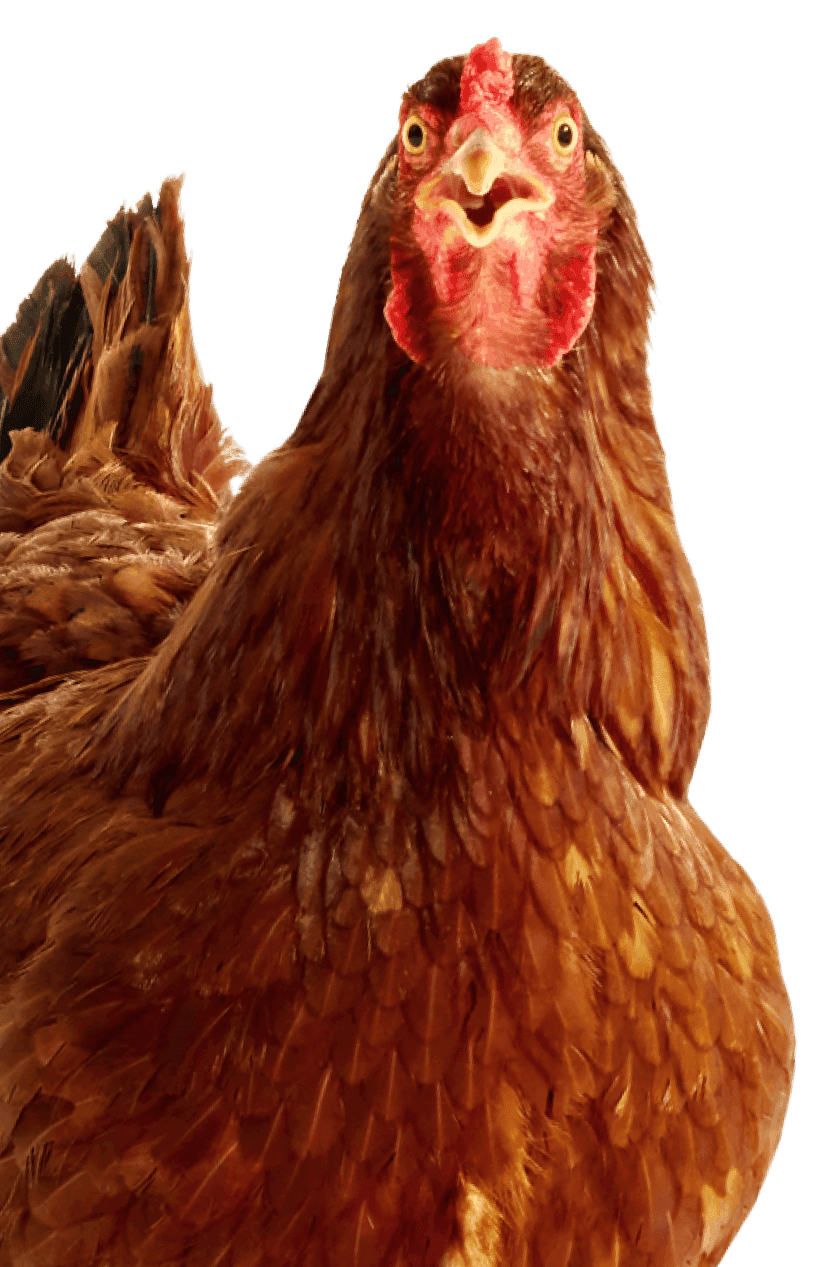




Winter can be hard on a flock, but chickens are tougher than most people think. With a few simple adjustments to your coop and routine, you can help your birds stay healthy, comfortable, and safe all season long.
1. Start with Cold-Hardy Chickens
Choose breeds that can actually handle winter. Larger birds with smaller combs tend to do best in cold weather. If you already have mixed breeds, just plan to give them a little extra protection.
2. Expect a Break in Egg Production
Hens naturally slow down or stop laying during molting and shorter days. This is normal, not a problem. Plan for fewer eggs unless you intervene with lighting.
3. Add Light (But Don’t Overdo It)
Use a simple bulb on a timer to extend daylight and encourage laying. About 10 hours of light per day is enough - more can stress your birds. Keep lighting evenly distributed and safely installed.

4. Prioritize Ventilation Over Insulation
Don’t seal up the coop too tightly - this is a common mistake. Chickens need fresh air to prevent moisture buildup, frostbite, and ammonia from droppings. Aim for airflow without direct drafts hitting the birds.
5. Keep the Coop Dry
Dry = warm. Make sure the roof and floor are waterproof, and use deep, clean bedding like Pecking Order Nest Box Pads. Wet conditions can quickly lead to disease, so refresh bedding regularly.
6. Give Them a Dry Outdoor Space
If possible, add a covered run or enclosed pen. This lets chickens move around and scratch during the day without standing in snow or mud. Activity helps them stay warm and healthy.
7. Use Heat Sparingly (If at All)
Chickens can handle cold better than you think by huddling together. Only add heat if temperatures are extreme and keep it minimal - just above freezing. Overheating actually reduces their natural cold tolerance.

8. Boost Nutrition During Molting & Winter
Molting and cold weather both demand more nutrients. Use a higher-quality or vitamin-enriched feed to support feather regrowth and overall health. Think of it as winter fuel.
9. Keep Water From Freezing
Chickens need constant access to water, even in freezing temps. Check it often, break ice as needed or use a heated waterer for convenience. No water = immediate health issues.
10. Protect Combs & Wattles from Frostbite
Apply a layer of petroleum jelly to exposed skin (combs and wattles) in extreme cold. Reapply when it dries out and watch for black spots (early frostbite). Be gentle - those areas are sensitive.
11. Watch Your Chickens’ Behavior
Your birds will tell you how they’re doing. If they’re moving around, eating, and acting normal, they’re fine. Fluffing feathers or standing on one foot is totally normal - it’s how they stay warm.
12. Cover the Basics Consistently
At the end of the day, it’s simple: food, water, shelter, and dryness. Get those right, and chickens are surprisingly tough. Do the prep now, and you’ll have a healthy flock (and maybe eggs) all winter long.
Preparing your coop for winter doesn’t have to be complicated.
Focus on the basics - dry bedding, fresh water, good airflow, and proper nutrition - and your flock will be much better equipped to handle the cold. A little preparation now goes a long way toward a healthier, happier winter flock.
Featuredproducts

More fromthe coop

Trick or Treat: What's Safe For Your Flock?
October 1, 2026
Keep Halloween fun for your flock with a guide to chicken-safe treats and the spooky snacks chickens should never eat.

Why Isn't My Chicken Laying?
September 9, 2026
When the eggs stop showing up, there’s usually a reason—here’s what to check first.

Is Your Coop Chick-Ready?
August 26, 2026
A guide to helping chicks make a safe and comfortable transition from brooder to their new coop.